
9511
0
05.03.2020 EUR/GBP Daily Analysis
The British Pound found itself better supported in mid-week trade amidst a recovery in global stock markets and hints by the incoming Bank of England

Yazar: Zack Smith
Yayınlanma: 6 Mart 2020 18:10
Güncellenme: 22 Nisan 2026 23:14
05.03.2020 EUR/GBP Daily Analysis
The British Pound found itself better supported in mid-week trade amidst a recovery in global stock markets and hints by the incoming Bank of England Governor Andrew Bailey that an interest rate cut this month is not yet a done deal. Earlier this week as a move in response to the coronavirus The Bank of England is poised to cut interest rates within days to support jobs and the economy as part of a global response to the outbreak. The new incoming governor, Bailey who was scrutinized by lawmakers in the UK's Parliament where he defended his credentials for the job and gave markets their first hint as to how he might approach monetary policy over the coming days and months. However, according to the standard FX playbook, a currency tends to fall when its issuing central bank enters a rate-cutting regime and much of the Pound's weakness in late February and early March has been put down to rising expectations for an interest rate cut at the March 26 policy meeting. For this reason, the Pound-to-Euro exchange rate lifted itself off the floor and went back above 1.15 to quote at 1.1535 at the time of writing. The euro remains the most vulnerable currency given its trade links with China and the very complete weight of disruption that will hit supply chains in the coming weeks and months, already shown in its decline of about 2 percent against the US dollar since 31 December 2019. The pound looks relatively insulated for now given its reliance on the services sector as opposed to manufacturing, where production and supply are already being impacted as a result of the virus. “The fact that we haven’t seen many infections in the UK compared to other countries means fears and concerns over the economic impact of the virus are predominantly focused elsewhere. Hence, a good outlook for the United Kingdom pound sterling as compared with the Euro.İLGİLİ HABERLER
European stocks soared and focus shifted to German retail sales after Powell's speech!
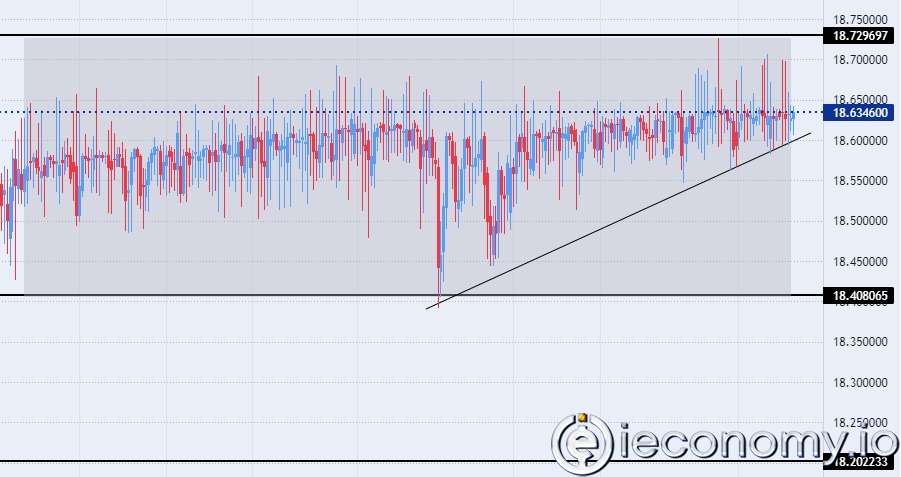
Forex Signal For TRY/USD: Inflation Slowdown in November.
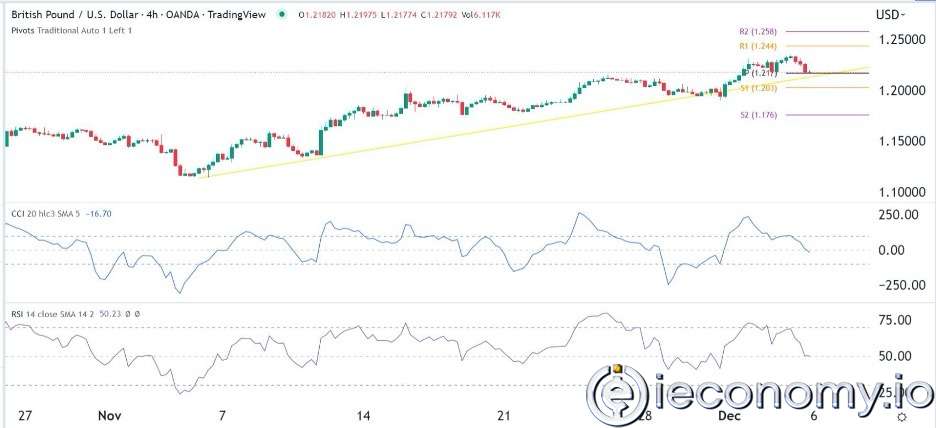
Forex Signal For GBP/USD: Bullish Trend Still Not Breaking While Recovery Continues.
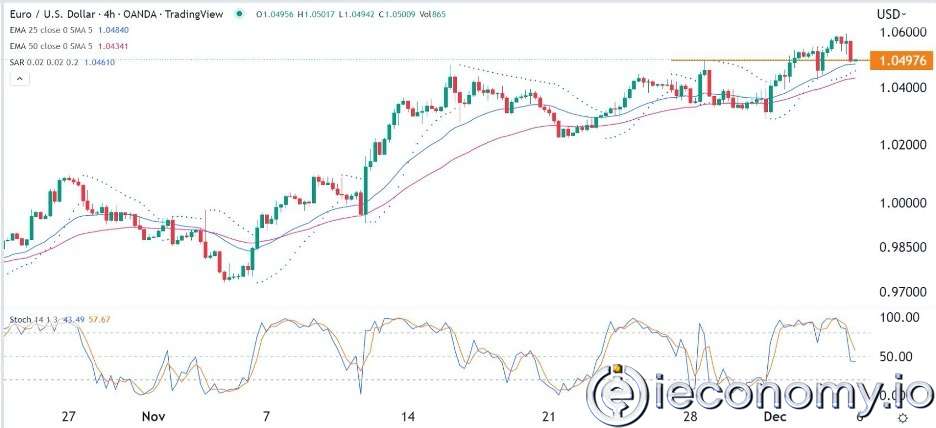
Forex Signal For EUR/USD: Starry US Data Points to Higher Fed Increases.
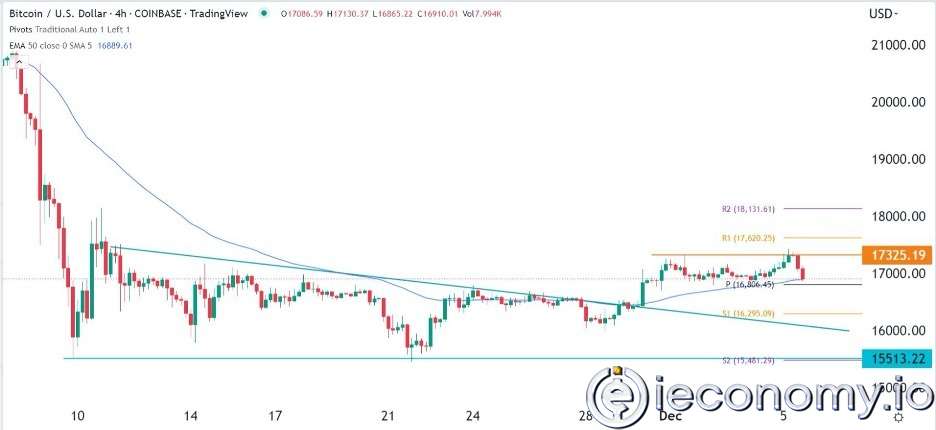
Forex Signal For BTC/USD: Downside Continues as Bitcoin Recovery Moves Less.
En Popüler Haberler
Yorum Yap
Yorumlar
Henüz yorum yapan yok! İlk yorumu siz yapın...