
10500
0
20.05.2020 Eur/Gbp Daily Analysis
Eur/Gbp is trading at 0.8947, and it is trading higher with 0.0036 mainly because Britain's inflation rate sank in April to its lowest since August 2016
21.05.2020 15:46|ieconomy - Haber Merkezi
Yazar: editor_1
Yayınlanma: 21 Mayıs 2020 15:46
Güncellenme: 7 Temmuz 2026 19:21
20.05.2020 Eur/Gbp Daily Analysis
Eur/Gbp is trading at 0.8947, and it is trading higher with 0.0036 mainly because Britain's inflation rate sank in April to its lowest since August 2016 as the coronavirus pandemic pushed down global oil prices and clothing retailers cut prices, while power tariffs also slid. The Bank of England says inflation could fall below 1% in the next few months and BoE Deputy Governor Ben Broadbent said it might go below zero around the end of 2020 although he did not think that would mark the start of a long period of deflation hence the reason why the pound is weaker against the euro. More so, the euro has shone the brightest as the Franco-German proposal for a common EU recovery fund gains traction, according to Kyosuke Suzuki, director of the forex at Societe Generale "The Franco-German agreement is big news. This has made it difficult for speculators to close their short positions on the currency." Analysts at Danske Bank, in a research note to clients, said the proposal will undoubtedly face opposition from some of the wealthier EU members but is being seen as a significant step toward a stronger common fiscal policy, complementing the euro’s monetary foundations.İLGİLİ HABERLER
European stocks soared and focus shifted to German retail sales after Powell's speech!
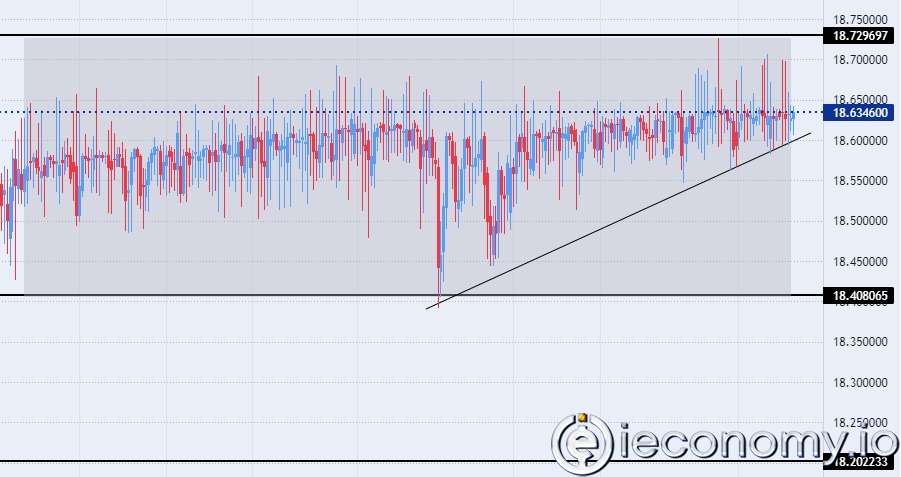
Forex Signal For TRY/USD: Inflation Slowdown in November.
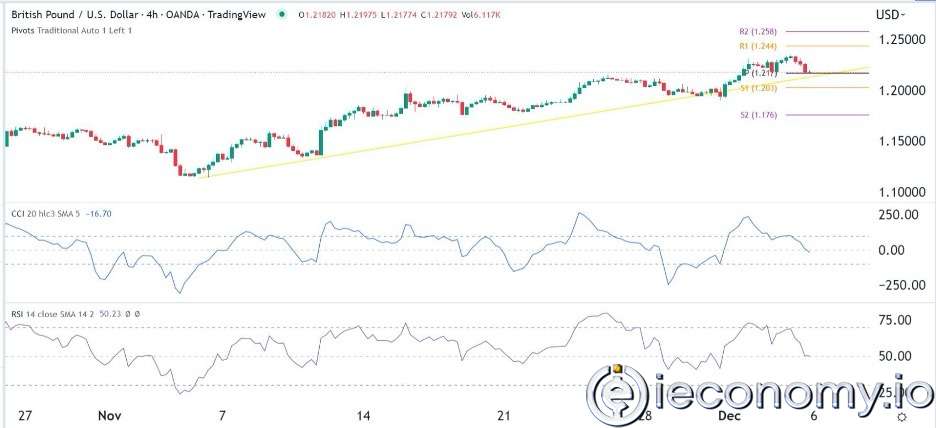
Forex Signal For GBP/USD: Bullish Trend Still Not Breaking While Recovery Continues.
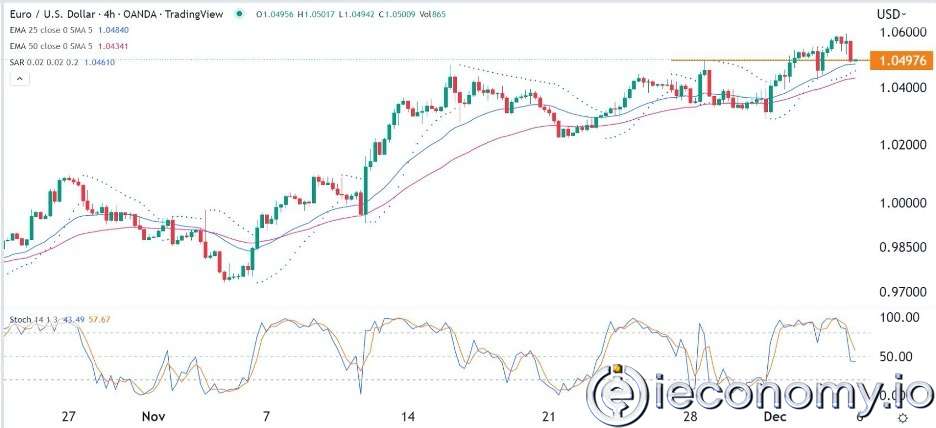
Forex Signal For EUR/USD: Starry US Data Points to Higher Fed Increases.
Forex Signal For BTC/USD: Downside Continues as Bitcoin Recovery Moves Less.
En Popüler Haberler
Yorum Yap
Yorumlar
Henüz yorum yapan yok! İlk yorumu siz yapın...